Tracey Clark : The Great Indoors
Tags:Special thanks to Tracey Clark for this afternoon guest post. Cross-posted at Shutter Sisters. Thanks so much Tracey!

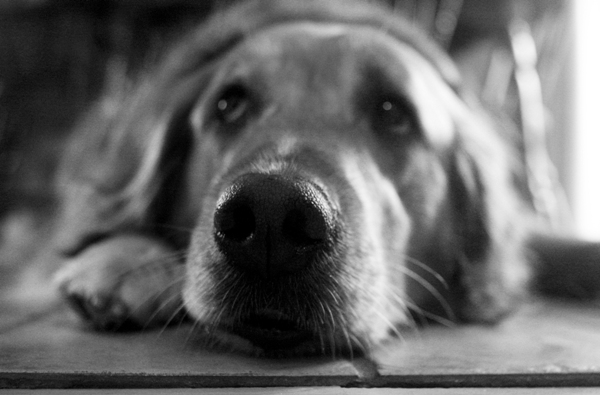
So, as you probably know by now, I’m all jacked up on Ali Edwards' ‘a week in the life’ project. It has giving me the perfect creative nudge I needed and now, there’s no stopping me. Since this week is still the shooting and gathering phase I’m loving it (that sounded bad). Anyway, ask me how I’m doing next week when it’s time to actually put this stuff in a book. I’m a little afraid. But, I’m choosing to live in the moment and most of my moments are enjoyed in the comfort of my own home. This means, I’m doing a lot of shooting indoors this week. In light of that (I love photo puns, don’t you?) Ali and I thought it might be fun if I shared a few hints about getting the best shots possible when shooting inside your own four walls.
Here’s what I’ve come up with:
Look to the Light
-Getting to know the light of your home is the first and perhaps the best tip I can offer. It’s as easy as finding your windows and using
them as your main light source for your photos. I’m not talking direct, bright sun though. I mean look for the soft, subdued light that can fill a room.
-If you’re shooting someone eating breakfast near the window in the dining room, use that window as your ‘light box’. Test out the placement of each chair to gage where the best light falls and then sit your child, husband, unsuspecting neighbor in that seat to best capture your morning. You can encourage your subjects to look into the light for a flat yet flattering effect on your subjects face or you can turn them a bit sideways to the light source to give their face a little more dimension. Each equally delightful I think.
-Before I go on a shoot at a new client’s home, I will give them the job to take a day to observe the light patterns around their home. When
does the softest light flood the living room? What time of day does the light fill the new baby’s room? They can then offer a timetable to schedule our session and I am assured the light will be ample and attractive. If you can do this in your home and be mindful of when you opt to take photos around the house (of people or of still life shots) you’ll up your chances of getting better shots.
Rearrange your Routines
-Once you’ve established the light patterns around your home, every once in a while you can creative schedule a daily activity at the time
and location that offers the best light. Yes, I am aware that this is a form of manipulation of your truest daily life but it’s not at all disruptive and can often make for a fun variation. When I know I am itching to get some fun shots of bath time, I will give my daughter her bath in the afternoon (instead of at night before bed) because the light in the bathroom is divine around 3pm. I know this from watching the light in the rooms of my house religiously.
-When my daughter was a baby I used to let her nap in my bed on days when I wanted to capture photos of her sleeping. The light in my room was perfect around her morning nap and I could snap away as she slept with beautiful light and perfect view free of crib bars.
Crank the ISO
-I know that many of us learn early on that a high ISO is a bad thing. Not always true. I shoot at a high ISO a lot and I’m here to tell you that it is FINE. And when shooting inside in low light, it can be a life saver. Or perhaps better said a picture saver. Changing your ISO to 800 or even 1600 indoors, in low light settings can be the difference between capturing the shot vs. missing it.
-If you’re still getting lots of blur in your shot, try to steady the camera with a makeshift tripod. Like setting the camera on the table (use one finger or book or napkin wedged in between the table and the lens to point it up a bit). Or prop your camera on something else around the house to keep it still. I’ll set my camera almost anywhere if I need to and almost never have the need for a tripod.
-And don’t be afraid of shooting blind; as in not looking through the view finder when you click the shot. Sometimes it can be tough to see through the viewfinder when your camera is on the floor. The featured photo above was shot blindly; proof that the results can be surprisingly successful.
Mellow the Yellow
-Ambient light is a beautiful thing. The glow of golden light gives a feeling of a soft and subtle moment that is undeniable. But sometimes
the yellow hue that comes along with ambient light can be overwhelming and even distracting. If you’ve got a photo that tickles your fancy but is just too golden for its own good, try an easy edit in whatever photo editing software you might use to cool down the photo. This usually means that you need to add blue to the image which will help neutralize the yellow and even out the overall color of your shot. Some programs have a warm/cool slide to play with while other let you slide the color back and forth (like blues to yellows). Somewhere in the slide, you’ll find a happy place. For a before and after shot taken in the light of my dining room at our evening routine of a quick bedtime snack, check out my post at Mother May I today.
I encourage you to put these ideas to the test as you go about your life clicking the moments that make you happy. And, as always, you are welcome to post any links today where you’ve succeeded shooting indoors. Don't be shy about it either. If you've got some indoor shooting secret weapons, enlighten us.

A complete list of posts related to the week in the life project can be found here.


Comments
Sign in or sign up to comment.
27 comments
What a great guest post - some really useful tips, thanks so much Tracey!
Replies
Sign in or sign up to reply.
Wow, what a difference the ISO makes! I never really think to change it. You weren't kidding! Thanks so much Tracey!
Replies
Sign in or sign up to reply.
These are great tips and I love the photo of the dog. The lighting on her/him is wonderful.
I'd like to add one simple tip that many don't know about that will help you avoid that common indoor yellowing in the first place--set the White Balance on your camera. On the Cannon Rebel it's the W/B button that is directly below the ISO.
If you are only using sunlight as the source, your light will have a blue tint. Often, though, when inside the house, there is also a light on, so the light will have a more orangey tint. This is why so many people's indoor photos look orange.
Under the W/B function are different options. If you have a flourescent light on in the kitchen like I sometimes do, you'll want to switch to the flourescent symbol. If you have a regular lightbulb (called tunsgten light), switch it to the lightbulb symbol. If you are using sunlight, turn it to the sun symbol.
The camera comes set at a W/B default, which lets the camera try to figure it out, but when indoors, it usually gets it wrong and gives you orange. There is no reason to let the camera mess this up when it's just a simple switch of the button. The only time I use that default setting is when there is a good mix of sunlight and artificial light and the other settings overcompensate.
Hope that helps someone!
Replies
Sign in or sign up to reply.
Ali, I just love your site and tips !!!
Replies
Sign in or sign up to reply.
Your post saved 2008! Thank you~Thank you~Thank you! ; ) I read this blog everyday. . .and today I stumbled upon your post. I have a new camera and am a little intimidated with the Nikkon D80 after upgrading from a VERY basic camera. Your tip on up-ing the ISO in low light situations saved the pictures I took last night of my son's 12 birthday! I CAN NOT THANK YOU ENOUGH. : )
~lisa
Replies
Sign in or sign up to reply.
Thanks for the great tips. Just catching up on reading stuff I couldn't get to last week!
Replies
Sign in or sign up to reply.
Great tips Tracey. Thanks for sharing them!
Replies
Sign in or sign up to reply.